
Zack Polanski
Leader
Green politics
The Green Party of England and Wales
Polling average
10.6%
The fastest-growing party in British politics by membership. Zack Polanski won the leadership in September 2025 on an eco-populist platform, and in February 2026 the Greens took Gorton and Denton. Their first Westminster by-election win ever, in a seat where the party had never previously passed 10%.
- Leader
- Zack Polanski
- MPs
- 5: four elected in 2024 plus the Gorton and Denton by-election gain
- Founded
- 1990
- Members
- Over 200,000
Where they sit
Position on the spectrum
Left. Moved further left under Zack Polanski, on public ownership, wealth taxes and climate spending.
Spectrum positions are editorial judgements, not measurements. How we place parties.
Leadership
The leader
Zack Polanski
Leader
Elected leader on 2 September 2025. A former member of the London Assembly and previously deputy leader of the party, he campaigns as an "eco-populist" and has become one of the most prominent left-wing communicators in British politics.
Track record
Membership and poll share have both risen sharply since he took over, and the party won its first ever Westminster by-election under his leadership.
Sources
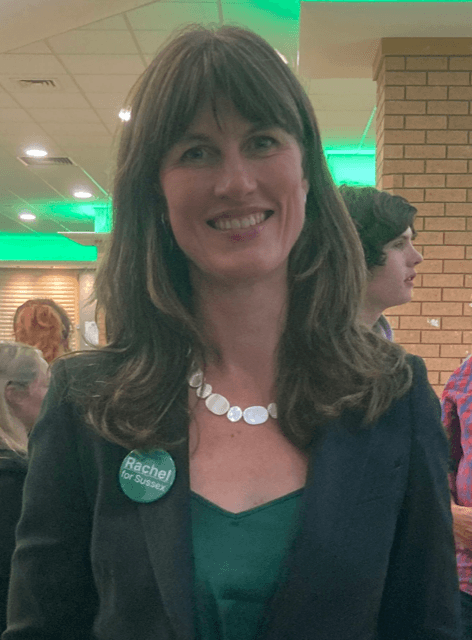
Second in command
Rachel Millward
Deputy Leader
Co-deputy leader alongside Mothin Ali.
Where they stand
The policies
8 of 10 areas with a position we could source
All six parties are asked the same questions in the same order, so their answers can be read against each other. Positions are the party’s own; anything in the grey line beneath is our note on where a policy is contested or short on detail.
- 01
Immigration & asylum
Who gets to come here, who gets to stay, and what happens to people who arrive without permission.
Expand safe routes; end hotel accommodation; oppose deterrence
Opposes deterrence-based policy outright, favouring expanded safe and legal routes and an end to hotel-based asylum accommodation.
- 02
Tax & the economy
Who pays what, and what the state can afford as a result.
Wealth tax on assets over £10m; £15 minimum wage
A wealth tax of 1% a year on individual assets above £10m and 2% above £1bn, which the party says would raise £15bn a year. Alongside it, a £15 minimum wage and a four-day working week.
Economists dispute wealth-tax yields of this size, pointing to valuation difficulty and behavioural response; the party treats the figure as its own costing.
Check itWhat are the Green Party's economic plans?, Economics Observatory - 03
NHS & social care
How healthcare and care for older and disabled people are funded and delivered.
More health spending; opposes private provision in the NHS
Increased health spending forms part of the capital programme, with the party opposing private provision within the NHS.
Less detailed than its economic and environmental platform.
Check itWhat are the Green Party's economic plans?, Economics Observatory - 04
Housing
Whether enough homes get built, who builds them, and who can afford one.
Social housing funded from the capital programme
Social housing is funded from the same £90bn capital programme, alongside health and education: the party's answer to supply being public building rather than planning liberalisation.
Check itWhat are the Green Party's economic plans?, Economics Observatory - 05
Crime & justice
Policing, sentencing and prisons: how much punishment, and how much prevention.
Presumption against short sentences; divert rather than jail
A presumption against custodial sentences under two years, with investment redirected to courts, diversion schemes and violence-reduction units rather than prison places. The party would restore youth services and community policing, repeal the Police, Crime, Sentencing and Courts Act and the Public Order Act, abolish the Prevent programme, and decriminalise sex work.
- 06
Energy & net zero
How fast Britain cuts carbon emissions, what it costs, and who bears the cost.
£90bn a year capital spending; water, rail and energy in public hands
Capital spending raised by £90bn a year by 2030, of which more than £70bn goes to the green transition. Water, rail and energy companies would be taken into public ownership.
Check itWhat are the Green Party's economic plans?, Economics Observatory - 07
Education
Schools, universities and skills, funding, standards and who pays for what.
No current published position located. This may mean the party has said little on the subject, or that we have not found what it has said. We would rather show the gap than fill it with inference.
- 08
Defence & foreign policy
Military spending, NATO, the nuclear deterrent and Britain's alliances.
Cancel Trident and begin disarming, while staying in NATO
Immediately begin dismantling Britain's nuclear weapons, cancelling Trident and banning nuclear-armed ships from UK waters, while continuing to recognise NATO's role in European security.
The combination of remaining in NATO while unilaterally disarming is the most contested element of the platform, since the alliance's strategic concept is explicitly nuclear.
Check itThe Green Party's defence plan, British Brief - 09
Europe & the constitution
The relationship with the EU, membership of international courts, and how power is distributed within the UK.
Rejoin the European Union
Rejoining the European Union is party policy.
Check itPolanski outlines Green economic policy, AOL / PA - 10
Media & culture
The BBC, broadcasting, and contested questions of national identity and religious practice.
No current published position located. This may mean the party has said little on the subject, or that we have not found what it has said. We would rather show the gap than fill it with inference.
Policy positions drawn from
- Economics Observatory, What are the Green Party's economic plans?
- AOL / PA, From a wealth tax to rejoining the EU: Polanski outlines Green economic policy
- Left Foot Forward, Polanski reveals three economic principles the Green Party will follow · 1 March 2026
- British Brief, the Green Party's defence plan
Positions are summarised from each party’s published material and reporting of it, not from a full manifesto reading, and platforms move. How we work.
The case each way
Credibility and concerns
What the party can point to, and what is fairly put against it. Both columns are drawn from documented, attributable material, never from our own opinion of the party.
What they can credibly claim
- First Westminster by-election victory in the party's history, on 41% with a majority above 4,000, pushing Labour into third.
- Membership passed 200,000 in March 2026, up from roughly 184,000 in December 2025.
- Polling around 12% nationally (historically high for the party) with five MPs and two peers.
Concerns and open questions
- Recent averages show the Greens slipping back from their spring peak alongside Reform UK.
- First-past-the-post converts a 12% national share into very few seats; the party's polling and its parliamentary strength remain far apart.
- The leadership's sharp leftward turn has been contested within a party that has historically also drawn liberal and rural support.
The team
Frontbench and key figures

Mothin Ali
Deputy Leader

Siân Berry
MP
MP for Brighton Pavilion
Former party leader and London mayoral candidate.

Carla Denyer
MP
MP for Bristol Central
Co-leader of the party until 2025.

Adrian Ramsay
MP
MP for Waveney Valley
Co-leader of the party until 2025.
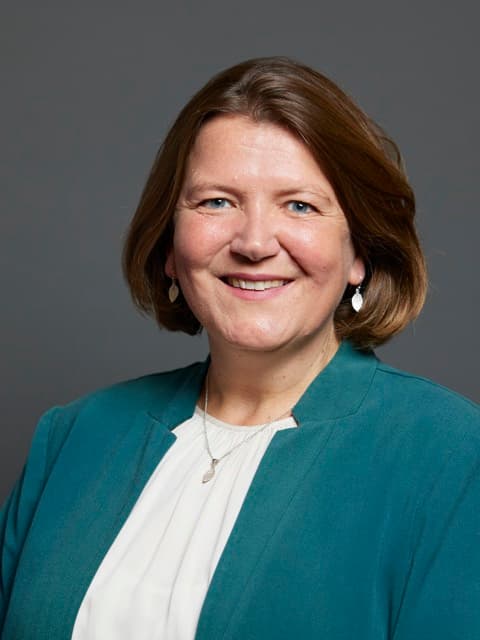
Ellie Chowns
MP
MP for North Herefordshire
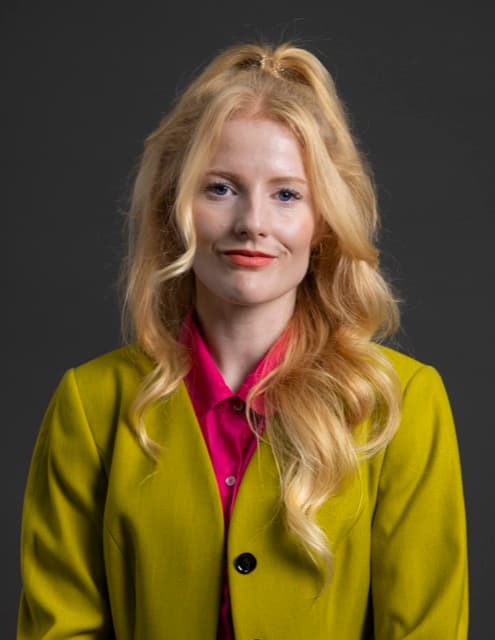
Hannah Spencer
MP
MP for Gorton and Denton
Won the party's first ever Westminster by-election in February 2026.
In the news
Recent developments
- 26 February 2026
Greens win Gorton and Denton. Their first ever Westminster by-election
viaWikipedia, 2026 in United Kingdom politics and government (26 February 2026) - 1 March 2026
Green membership passes 200,000 following the by-election win
viaWikipedia, 2026 in United Kingdom politics and government (1 March 2026)
Sources for this profile