Side by side
Education
Compare all six on
- Immigration & asylum
- Tax & the economy
- NHS & social care
- Housing
- Crime & justice
- Energy & net zero
- Education
- Defence & foreign policy
- Europe & the constitution
- Media & culture
Schools, universities and skills, funding, standards and who pays for what. Parties are ordered left to right by our placement on the spectrum, and each line is the position in brief.
 Green
GreenZack Polanski
10.6%
No current published position located. This may mean the party has said little on the subject, or that we have not found what it has said. We would rather show the gap than fill it with inference.
-8
 Labour
Andy Burnham
26.1%
VAT on private school fees, in force since January 2025
In full ▾Less ▴
VAT has been charged at the standard 20% rate on private school fees since 1 January 2025, removing a long-standing exemption. The Treasury forecast the measure would raise £1.51bn in 2025/26.
The government's own forecast expected 37,000 pupils (about 6% of the private sector) to move into state schools as a result. Several large private schools responded by sharply expanding bursaries.
Check itVAT on private school fees, House of Commons Library-3
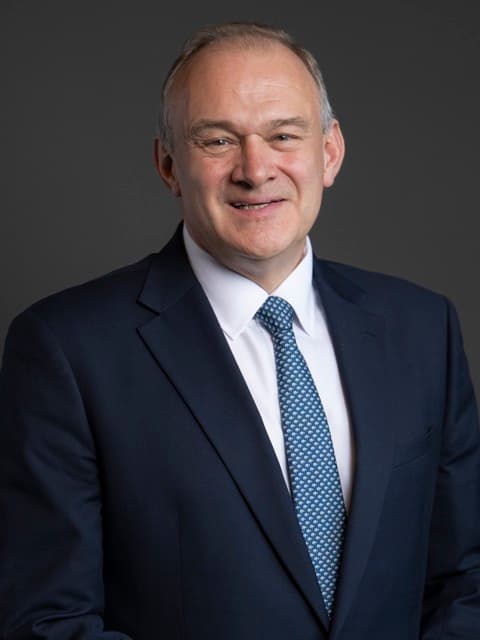 Lib Dems
Sir Ed Davey
10.3%
No current published position located. This may mean the party has said little on the subject, or that we have not found what it has said. We would rather show the gap than fill it with inference.
-2
 Conservative
Kemi Badenoch
20.3%
Criticises VAT on school fees but will not reverse it
In full ▾Less ▴
The party has criticised the imposition of VAT on private school fees but has not committed to reversing it in government.
No broader schools programme published under the current leadership.
Check itVAT on private school fees, House of Commons Library+3
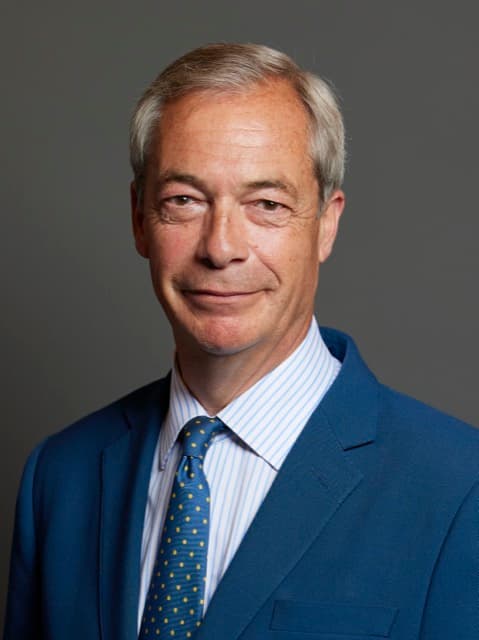 Reform
Nigel Farage
22.9%
No current published position located. This may mean the party has said little on the subject, or that we have not found what it has said. We would rather show the gap than fill it with inference.
+6
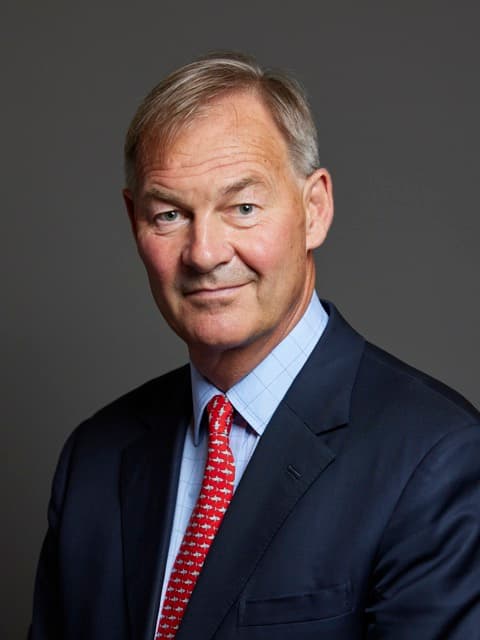 Restore
Rupert Lowe
4.4%
No current published position located. This may mean the party has said little on the subject, or that we have not found what it has said. We would rather show the gap than fill it with inference.
+7
2 of 6 parties have a position we could source on this. A blank row may mean the party has said little, or that we have not found what it has said.
Positions are summarised from each party’s published material. How we place parties.
Compare something else